








Business Process
Automation Consultants

#DRAFT_On the up: The Rise and Rise of QR Codes

We had to adapt to a lot of unwelcome changes during the Covid-19 pandemic. While face masks, social distancing and handwashing became part of our daily routine, 2020 did at least bring good news for one innovation. The humble QR code. At Smarter Business Processes we have helped a wide range of clients create apps to leverage this practical and efficient technology.
When it was first introduced in 2010, the Quick Response code didn’t make much of an impact. While slick, easy data gathering might have been be appealing, not enough of us had the Smartphone technology to make it work. For those of us who did give QR a try, it required downloading a third party app, by which time you could have just found the link online.
Today QR code creation is common place and every day practice in most businesses and communities.
What did QR stand for?
A quick-response code is a type of two-dimensional matrix barcode, invented in 1994, by Japanese company Denso Wave originally for labelling automobile parts.

What is a QR code?
A barcode is a machine-readable optical image that contains information specific to the labelled item. In practice, Quick Response codes contain data for a locator, an identifier, and a website visitor tracking. To efficiently store data, QR codes use four standardized modes of encoding (i) numeric, (ii) alphanumeric, (iii) byte or binary, and (iv) kanji.
Creating a QR code
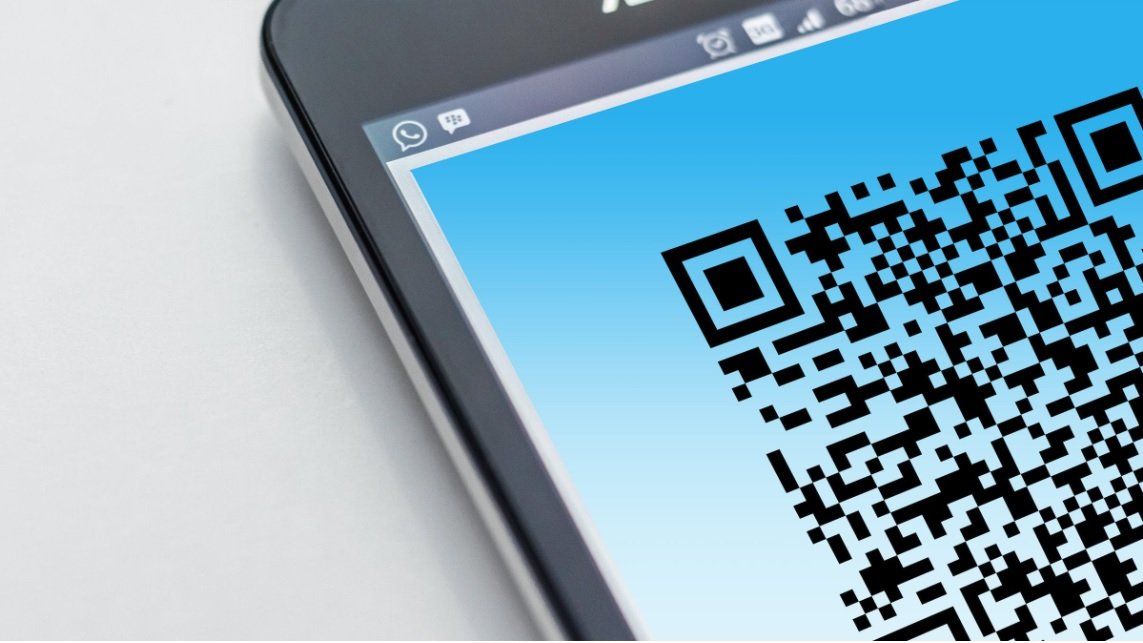
A Quick Response code consists of black squares arranged in a square grid on a white background, including some fiducial markers, which can be read by an imaging device such as a camera, and processed using Reed–Solomon error correction until the image can be appropriately interpreted.
The required data is then extracted from patterns that are present in both horizontal and vertical components of the image.
The spread of the QR code applications
The QR labelling system was applied beyond the automobile industry due to its fast readability and greater storage capacity compared to standard UPC barcodes. Creating QR codes was easy. Applications include product tracking, item identification, time tracking, document management, and general marketing
QR Codes in the time of Covid-19
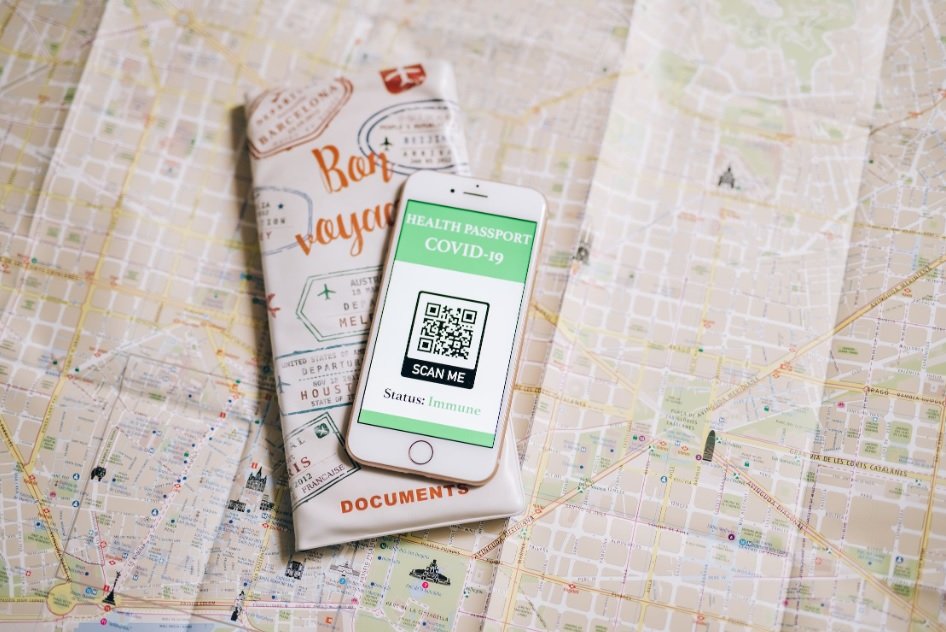
During the Covid-19 pandemic, however, these codes came into regular use and in fact became a reliable source of data.
While the Track and Trace app has by no means had a smooth, controversy-free implementation (Excel Spreadsheet columns anyone?) it demonstrates the versatility of this type of code. With every shop and cafe asking us to point and click we’re really starting to see just how accessible it can be.
QR Use Cases
Today QR codes have become common in all areas of commerce and society, from consumer advertising, tracking in product stock taking, to supply chain management.
Typically, a smartphone is used as a QR code scanner, displaying the code and converting it to some useful form (such as a standard URL for a website, thereby obviating the need for a user to type it into a web browser).
QR code has become a focus of advertising strategy, since it provides a way to access a brand’s website more quickly than by manually entering a URL. Not only is it super convenient to the consumer, the importance of this capability also increases the conversion rate and the chance that contact with the advertisement converts to a sale.
It’s all in the App
Now everything is automated. Instead of taking you to a third party website, the app collects all the information it needs in one simple step, and lets you go back to sanitising your cat or doing whatever it was you were doing before you had to zap the code with your mobile phone. So easy!
This tech hasn’t just become slicker either. It can now be implemented at a fraction of what it used to cost. This makes it a total game changer, especially for anyone who needs to report progress or gather data while out on site. Find out how QR codes can drive efficiency in your business in our Appsheet with Smartsheet blog, or watch a quick demo below on how we can make it work for you.
Contact Us To Discuss Your Needs
Talk to us
Take advantage of a free consultation and let us help you move forward!

